El Paso Electric
How AI-Powered Outreach Accelerated Utility Program Adoption at Scale

The Challenge
Complex Plans. Tight Targets. Low Industry Averages.
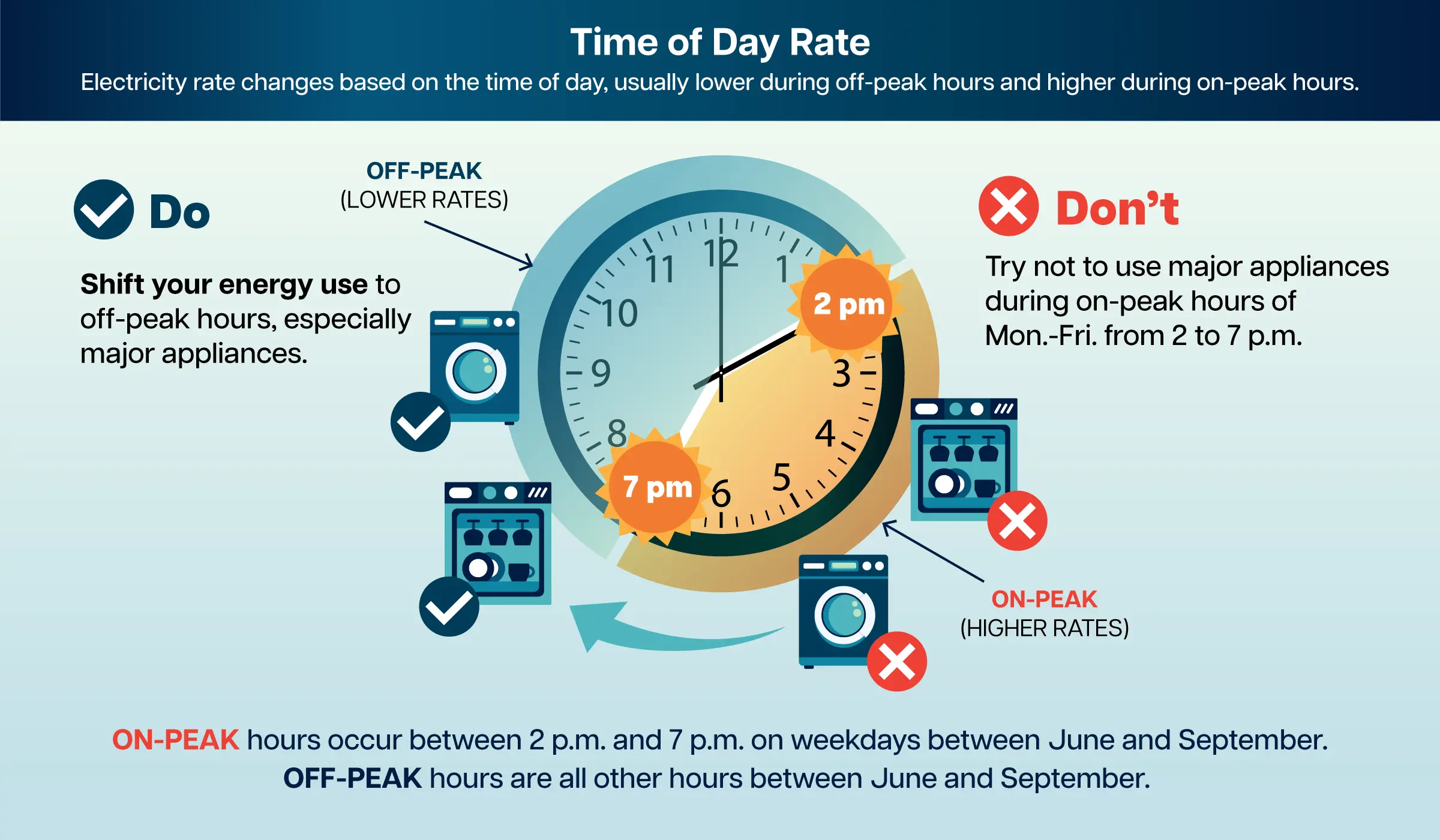
El Paso Electric needed to recruit customers into a Time Varying Rates (TVR) pilot designed to reduce peak demand and help customers save money. The complication? Four different plans, each with unique structures and enrollment targets.
TVR required education, not awareness. Customers had to understand how rates changed by time of day and why shifting usage mattered. With similar programs averaging just a 2% enrollment rate, hitting targets would require reaching nearly the entire eligible customer base — quickly.
The Solution
Scalable, AI-Driven Conversations at Scale
Hahn built a customized, AI-powered outreach program tailored to each of the four plans. More than 50,000 customers were engaged through outbound calls and text messaging in both English and Spanish.
The AI explained the program, answered questions in real time, provided bill comparisons, and guided customers through seamless enrollment. When needed, warm transfers connected customers to live representatives. The system delivered high-volume outreach with personalized, conversational engagement — without expanding the call center.

Personalized Engagement That Converts
Strategic callbacks and follow-up texts ensured customers were reached at the right time. Instead of scripted messaging, the AI created dynamic conversations that addressed real concerns and removed friction from enrollment.
The result was a streamlined, customer-friendly experience that made a complex rate structure easy to understand and adopt.
Results
Faster Enrollment. Lower Cost. Higher Efficiency.
In just 75 days, more than 1,150 customers enrolled — exceeding residential enrollment goals across all four plans ahead of schedule. Over half of participants completed enrollment after interacting exclusively with the AI.
Roughly 200,000 attempted calls and thousands of text conversations drove measurable adoption. Achieving that volume traditionally would have required hiring 51 additional full-time employees — an estimated $400,000 investment — which the AI-powered solution eliminated.